Save partner preferences for better plans
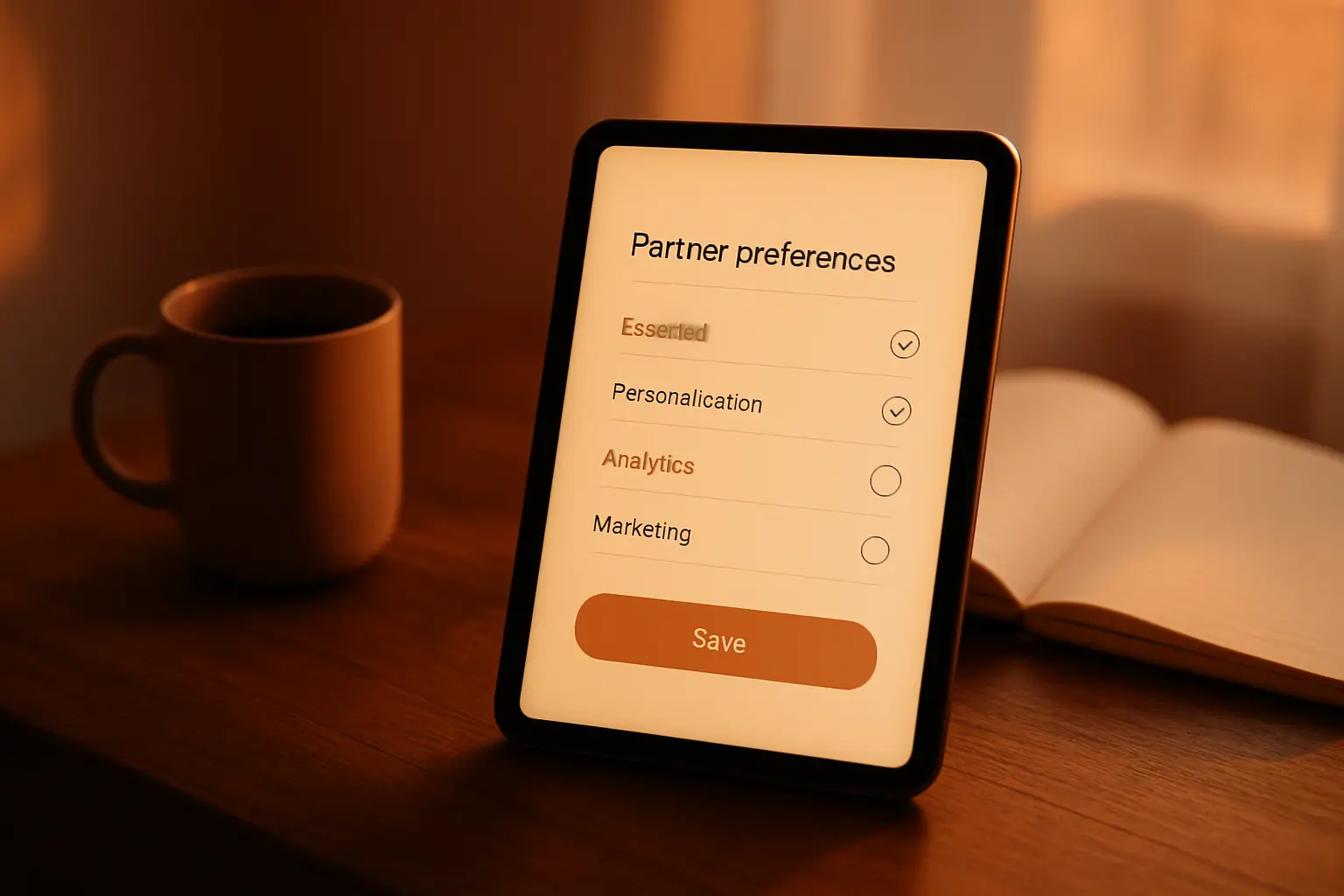
Preference memory is the difference between a planner that feels thoughtful and one that feels random. Store cuisine rules, gift sizes, budget defaults, and hard nos in a profile you update after each outing. Future ideas then start halfway done, and you spend less time guessing under pressure.
Build a partner profile
- List hard rules Allergies, dealbreakers, and non-negotiable dislikes.
- Add soft likes Favorite cuisines, hobbies, and vibes.
- Set budgets Default ranges for dinners and gifts.
- Log wins Note what worked after each plan.
Separate hard rules from soft likes
Hard rules block bad suggestions: shellfish allergy, no horror movies, no surprise parties. Soft likes guide creativity: Thai food, indie bookstores, sunset walks. Mixing them into one blurry note makes the planner either over-restrict or ignore real constraints.
When both categories stay clear, you can experiment inside safe bounds. That is how novelty feels exciting instead of risky. Review the hard-rule list twice a year in case allergies or boundaries change.
Include practical defaults too: preferred neighborhoods, transit vs driving, and how late they like to stay out. Logistics preferences prevent romantic ideas that fail at the curb.
Store gift sizes and clothing notes with dates. Bodies and styles change. An outdated size note is worse than no note because it creates confident wrong purchases.
Capture budget comfort separately from taste. Someone can love fine dining and still prefer a mid-range night most weeks. Mixing those signals creates expensive mismatches.
Include media tastes if movie or concert nights matter. Genre bans and favorite directors save you from buying tickets to something they already told you they hate twice.
Update after real dates
Five minutes after a date beats a quarterly memory dump. Mark what to repeat and what to retire while details are fresh. Fresh notes beat heroic memory.
Include seasonal notes. Outdoor picks that work in June fail in February. A preference profile without seasons will keep recommending picnic nights in the rain.
After a miss, write the reason in one blunt phrase: too loud, too long, wrong food, too much walking. Blunt tags prevent repeating the same miss with a different venue name.
Once a quarter, prune the profile. Delete outdated restaurants, retired hobbies, and old sizes. A clean profile produces better suggestions than a crowded archive of every idea you ever had.
If you tried a new cuisine and loved it, promote it to soft likes immediately. Waiting until next anniversary means you will forget the win and keep repeating safer defaults.
Save preferences in DazzledKeep privacy respectful
Store useful planning facts, not surveillance. If your partner asks you not to track certain details, honor that and plan with what they share willingly. Trust matters more than a complete database.
Shared profiles work best when both people can edit likes. Mutual input reduces wrong assumptions and turns planning into a team habit instead of one person managing a secret file.
Show your partner the profile if they want. Transparency builds trust and often improves the data because they correct assumptions you would have kept forever.
Do not store secrets your partner asked you to forget. Preference tools are for planning kindness, not for winning arguments later with receipts.
Questions
How detailed should a preference profile be?
Enough to block dealbreakers and highlight top likes. Skip novels.
Can preferences change over time?
Yes. Treat the profile as living data, not a permanent label.