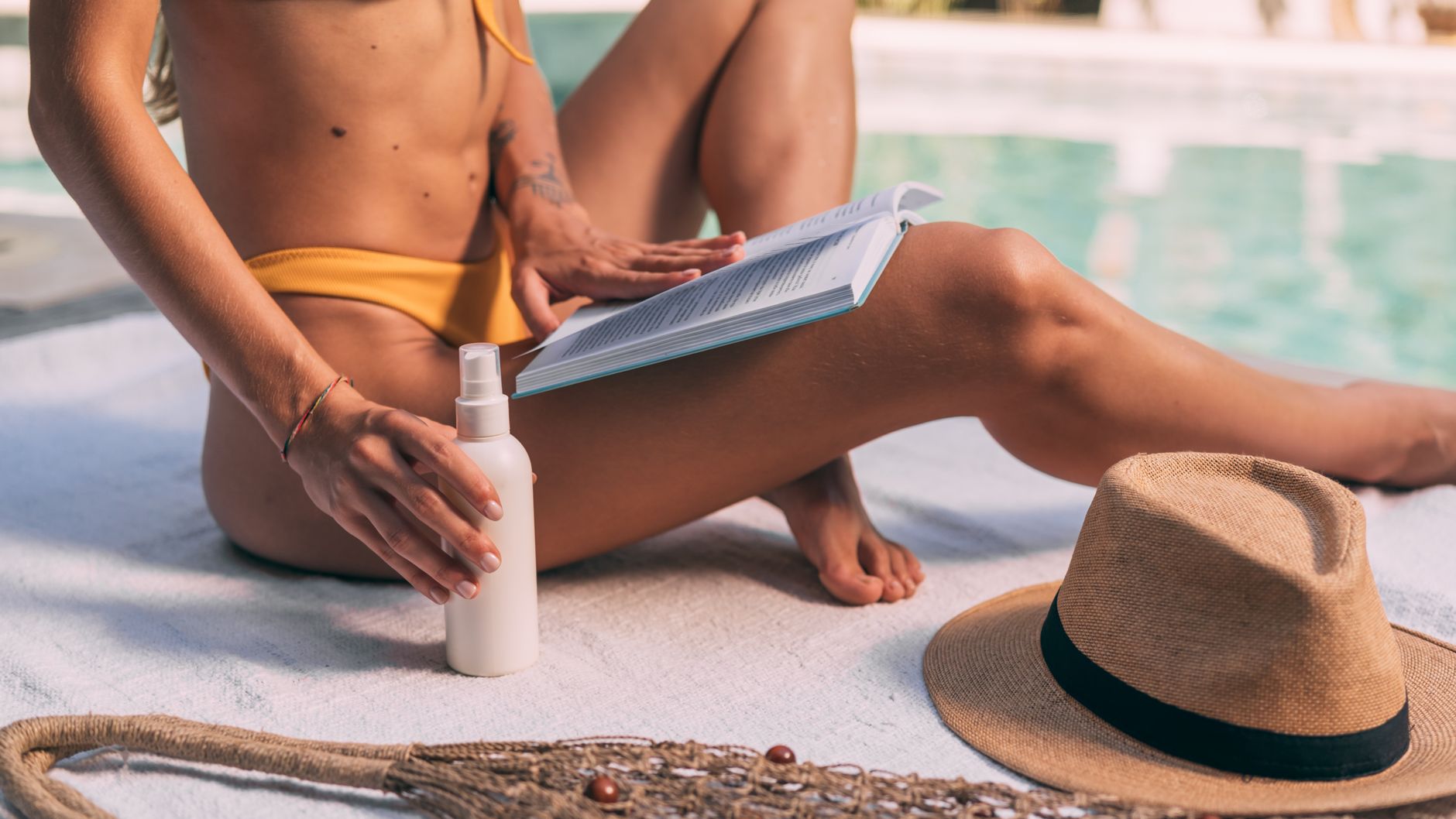
How to Choose the Right SPF for Tanning
Choosing the right SPF for tanning is crucial for achieving a healthy glow while protecting your skin from harmful UV rays. Often overlooked, the SPF you choose not only impacts your tanning results but also plays a vital role in long-term skin health. In this guide, we'll delve into the essentials of SPF, skin type considerations, and how TanMeter can help you tan responsibly.
Table of Contents
- Understanding SPF Levels
- Determining Your Skin Type
- How SPF Affects Tanning
- Using TanMeter for UV Tracking
- Expert Tips for Safe Tanning
- Download TanMeter
Understanding SPF Levels
The Sun Protection Factor (SPF) is a measure of how well a sunscreen will protect skin from UVB rays, the kind of radiation that causes sunburn, damages skin, and can contribute to skin cancer. SPF is not about how long you can stay in the sun, but how well the sunscreen can deflect those damaging rays. Typically, higher SPF numbers indicate more protection, but it's important to choose wisely based on your specific needs.
What Do SPF Numbers Mean?
An SPF of 30, for instance, blocks nearly 97% of UVB rays, while SPF 50 blocks about 98%. No sunscreen can block 100% of UVB rays, and higher numbers may only give slightly more protection. Always apply sunscreen liberally for effectiveness and reapply every two hours or after swimming or sweating.
External link to FDA guidelines for sunscreen
Determining Your Skin Type
Your natural skin tone and how it reacts to UV exposure determine your skin type. These factors dictate which SPF level is appropriate for you and your tanning goals. Generally, skin types are categorized from I to VI, based on the Fitzpatrick scale, which gauges skin tone and its tendency to burn or tan.
Skin Type and SPF
- Type I/II: Very fair to fair skin tones that often burn easily, tan minimally. Typically require higher SPF (50 and up) for protection.
- Type III/IV: Medium tones that tend to burn less and tan more. SPF of 30 to 50 is often sufficient.
- Type V/VI: Darker tones that rarely burn and tan easily. Still benefit from SPF 15 to 30 for protection.
How SPF Affects Tanning
Understanding the relationship between SPF and tanning is essential for achieving desired results without causing skin damage. Sunscreens with higher SPFs are often seen as barriers to tanning, but they’re essential for preventing sunburn and long-term damage.
Tanning with Higher SPF
Higher SPF sunscreens do not prevent tanning completely but reduce the rate of tanning to ensure you achieve a safer and more even golden glow. By minimizing sun exposure risks, you allow your skin to develop color gradually.
Using TanMeter for UV Tracking
TanMeter offers cutting-edge UV index tracking, allowing you to gauge real-time UV exposure in your location. The app informs you when UV levels are high and suggests appropriate SPF levels and reapplication times, optimizing safety.
Check out TanMeter's landing page for more insights into UV tracking features.
Get Personalized SPF Notifications
With TanMeter, you'll get timely reminders to apply and reapply your sunscreen based on current UV levels, ensuring you're always protected during peak sun hours.
- TanMeter Blog for more insights
- Contact TanMeter Support if you need help setting it up.
Expert Tips for Safe Tanning
"Always choose a broad-spectrum sunscreen to ensure protection from both UVA and UVB rays. Complement sunscreen use with protective clothing and seek shade during peak UV hours." — TanMeter Editorial Team
Additional Tips:
- Apply sunscreen at least 15 minutes before sun exposure.
- Pair SPF with sunglasses and hats for full protection.
- Stay hydrated to help your skin recover and maintain elasticity.
- Regularly check moles and skin changes with a dermatologist for optimal skin health.
External link to Skin Cancer Foundation's tips
Download TanMeter
Ensure safe and informed sun exposure with TanMeter. Download today to maximize your tanning experience while protecting your skin.