Body fat trends from progress photos
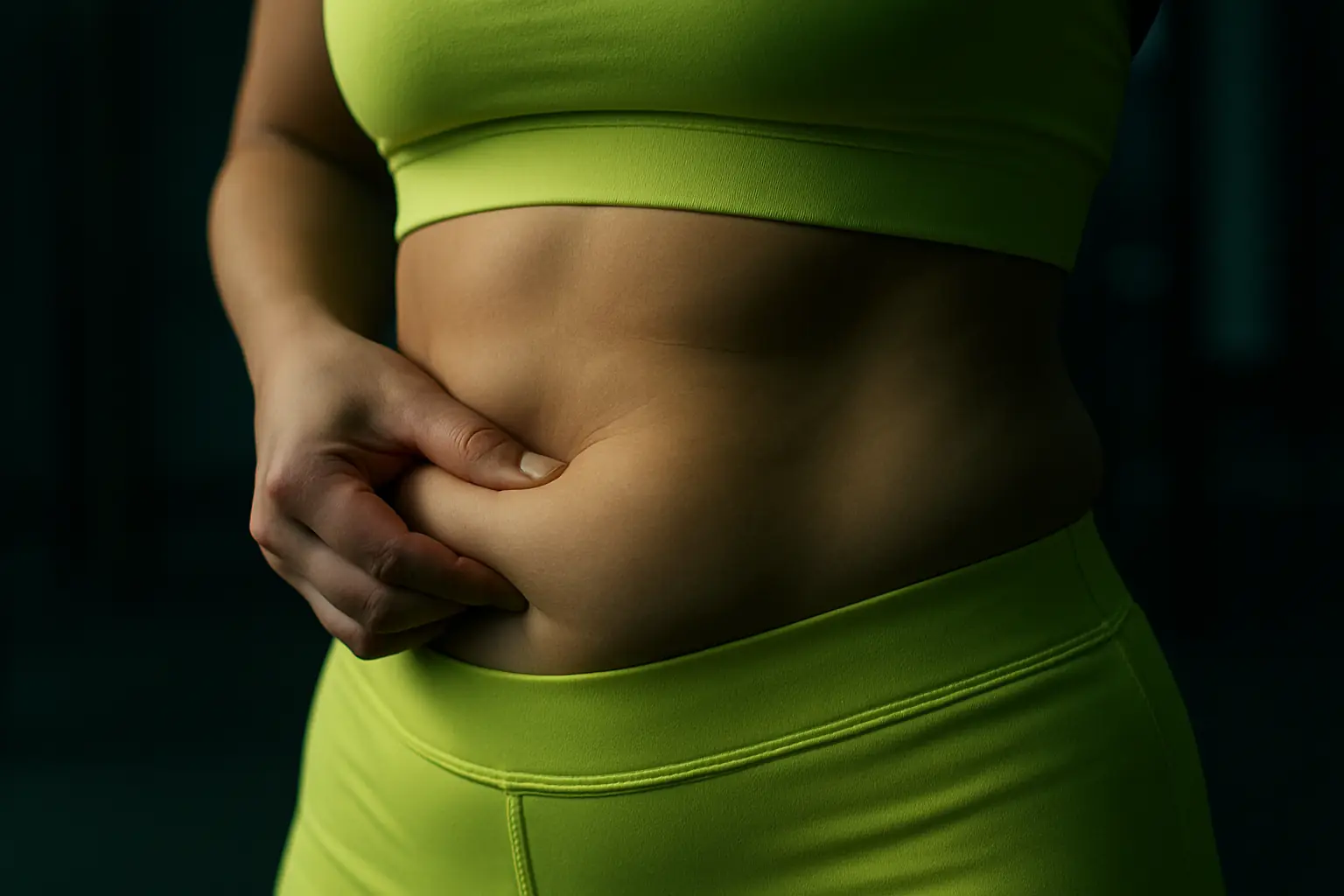
Scale weight alone cannot show whether you lost fat, gained muscle, or just held water. Progress photos plus stable pose give you a visual body fat trend line that is good enough for training seasons. Treat numbers as educational estimates, not DEXA replacements. Photo timelines work when pose and lighting stay boring. GainFrame is waitlist-only; join on the landing page for download news. Visual estimates are educational wellness tools, not DEXA replacements or medical advice.
Start a photo body comp baseline
- Pick front and side poses Stand relaxed with the same foot placement each time.
- Match lighting Use the same room and time of day when possible.
- Capture weekly Same weekday reduces weekday/weekend bloat noise.
- Review monthly arcs Compare four weeks at once, not day to day.
Photos show distribution, not lab precision
Cameras capture shape: waist line, limb fullness, and how clothes sit. That is useful when you want to know if a cut is working without booking scans every month. It is weak when you need exact fat mass for medical reasons.
Hydration, sodium, and sleep change a photo overnight. Single images lie. Rolling four-week windows tell a truer story.
Mirror checks lie daily; photos with dates lie less. Waistbands, face fullness, and upper back detail change before scale weight moves during recomposition. Photo trends help you decide whether to hold calories or adjust training volume. They cannot tell bone density or visceral fat the way medical scans can. Use photos to answer 'am I trending the way I expect' rather than 'what is my exact fat mass'.
GainFrame progress timelines and muscle trend views arrive after waitlist launch on the landing page. Until then, shoot weekly photos with the same pose, lighting, and distance so you have a reel ready to import. Compare four-week windows, not day-to-day mirror checks. GainFrame is not medical advice and does not replace DEXA or clinical body composition testing. Treat photo metrics as educational wellness estimates that show direction during cuts, bulks, and maintenance phases.
Keep conditions boring on purpose
Same shorts, same distance from the mirror, same phone height. Creativity makes you look leaner or softer without any real change. Boring setup is a feature.
If you tan or lose/gain significant water weight, note it on that week's entry so future you remembers why the line jumped.
Tan lines, pump from a pre-photo workout, and dehydration all change skin appearance. Note those factors on the entry. Women may see cyclical water changes; comparing the same week of cycle each month reduces false alarms about stalled fat loss. Men see similar shifts with sodium and alcohol weekends.
Take photos at the same time of day after similar meals and training. Water and glycogen swings fake progress overnight.
Join GainFrame waitlist for photo body trendsPair visuals with professional guidance when needed
Athletes and medical patients may still need DEXA or clinician review. Photo trends help you adjust training volume or calories between those touchpoints, not replace them.
GainFrame is not medical advice and not a substitute for DEXA or clinical body composition testing. Use estimates for wellness tracking and motivation with realistic expectations.
If your clinician ordered weight change for health reasons, use photos as a between-visit mood and adherence tool, not as proof for medication changes. Share trends with your provider when asked, and keep DEXA or ordered tests on their schedule. Never skip medical follow-ups because a photo looked fine.
Use the same mirror distance and camera height. Changing zoom between weeks breaks visual comparison even when fat loss is real.
Questions
Can phone photos estimate exact body fat percentage?
They estimate trend direction. Exact percentages belong in clinical tools, not mirror selfies.
Should I flex in progress photos?
Pick flexed or relaxed and stay with one. Switching styles breaks comparisons.