Abs Rank

Track ab workout progress
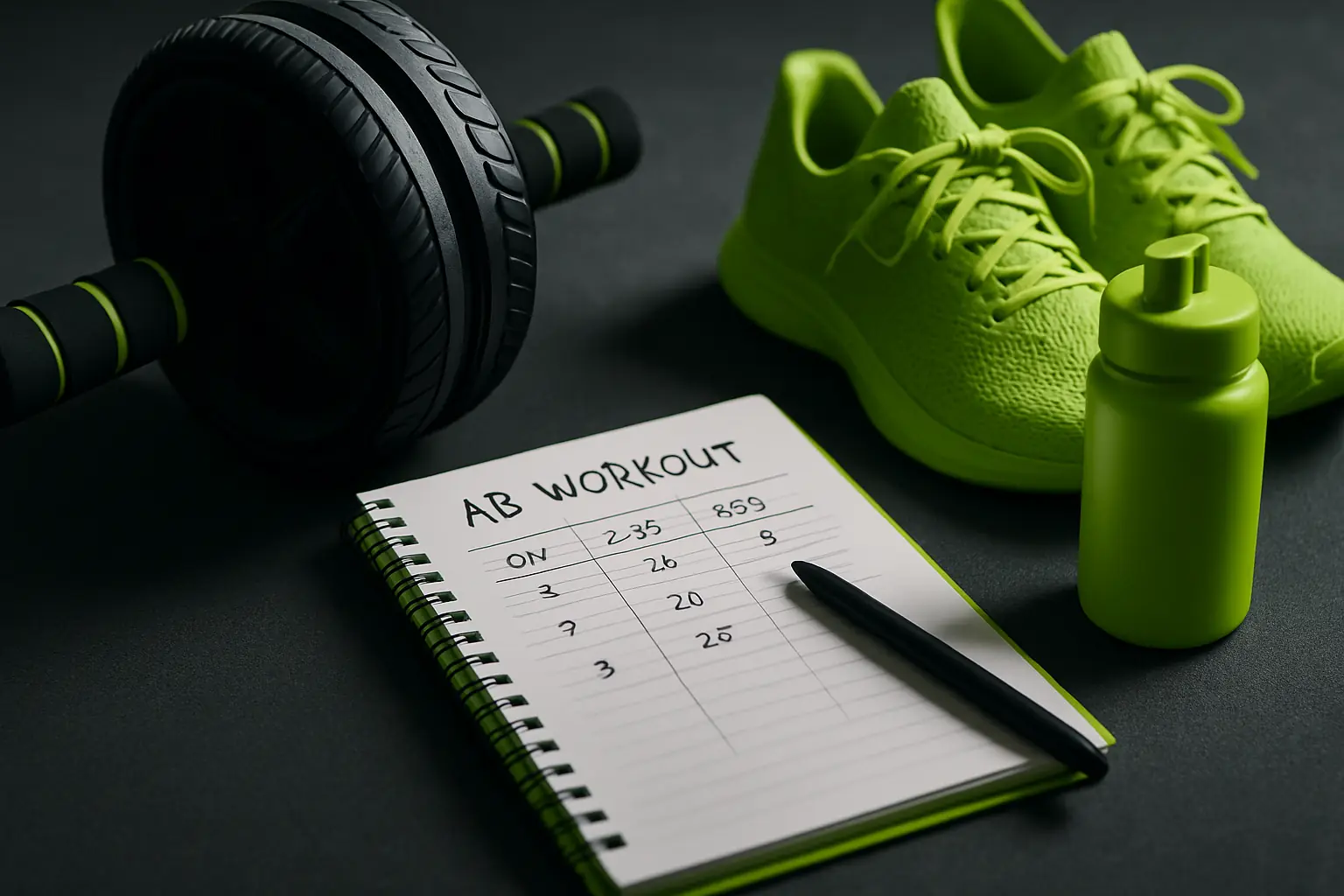
track ab workout progress

Soreness lies. Some weeks feel brutal with low quality reps; other weeks feel easy while volume jumps. Tracking timed sets, rest, and completed rounds shows real progress and catches weeks when you accidentally cut rest or skipped sets. History turns home ab work into a plan instead of a mood. Soreness peaks forty-eight hours after novel moves. Log delayed soreness separately from same-day form notes so you do not confuse DOMS with a bad session. Note sleep quality in the same log row as ab volume when energy feels off. Progress is visible when last-set form matches first-set form at higher volume. Write one sentence after each session while the timer is still on screen.

What numbers worth saving

Date, moves used, work seconds, sets completed, rest chosen, and a one-line form note (clean, hip flexor heavy, stopped early). Photos optional monthly, not daily.

Compare four-week rolling totals, not single hero sessions. One long Friday does not prove a trend if Monday through Thursday were empty.

Compare the same calendar week each month (first full week, last full week) to avoid holiday gaps skewing totals. Four-week blocks beat single-week spikes for decision making.

Screenshot Abs Rank charts monthly for long-term view. In-app weekly swings look noisy until you zoom out.

Compare monthly totals, not daily guilt. One skipped day matters less than four-week direction.

Track which moves feel easiest. Imbalances between anti-extension and anti-rotation work show up in those notes.

Read charts without obsession

Look for gradual volume or tighter rest at the same quality. Flat lines for two weeks mean add one set or five seconds, not a whole new random routine.

Deload weeks should show on the chart as lower volume on purpose. That honesty prevents confusing fatigue with failure.

If charts flatline, change one variable: add five seconds work, add one set, or trim five seconds rest. Never change all three at once or progress attribution disappears.

Pair chart review with one form video every four weeks. Numbers up with worse shape is a warning, not progress.

Tag deload weeks in notes so future you knows the dip was planned.

Use a yoga mat with enough grip. Sliding elbows turn every plank into a shoulder shrug contest.

Turn data into next week’s plan

If planks broke on set four twice, either shorten work on set four or add five seconds rest before it. Change one variable.

Abs Rank session history charts do that review automatically after timed home workouts so you open the next session with a target instead of guessing.

Abs Rank history exports the proof for deload decisions: when last-set form broke three sessions in a row, schedule an easy week before lower back complains.

When travel disrupts training, log bodyweight maintenance circuits so return week does not start from zero history.

Abs Rank charts highlight streaks without manual spreadsheet work.

If lower back complains, regress to shorter levers before adding weight or longer clocks.

Review ab progress charts in Abs Rank

Questions

Should I log every warm-up set?

Log working timed sets only so charts reflect training stress, not activation drills.

How often should I compare charts?

Once weekly is enough. Daily chart checking chases noise.