Macro tracking for Latin meals from photos
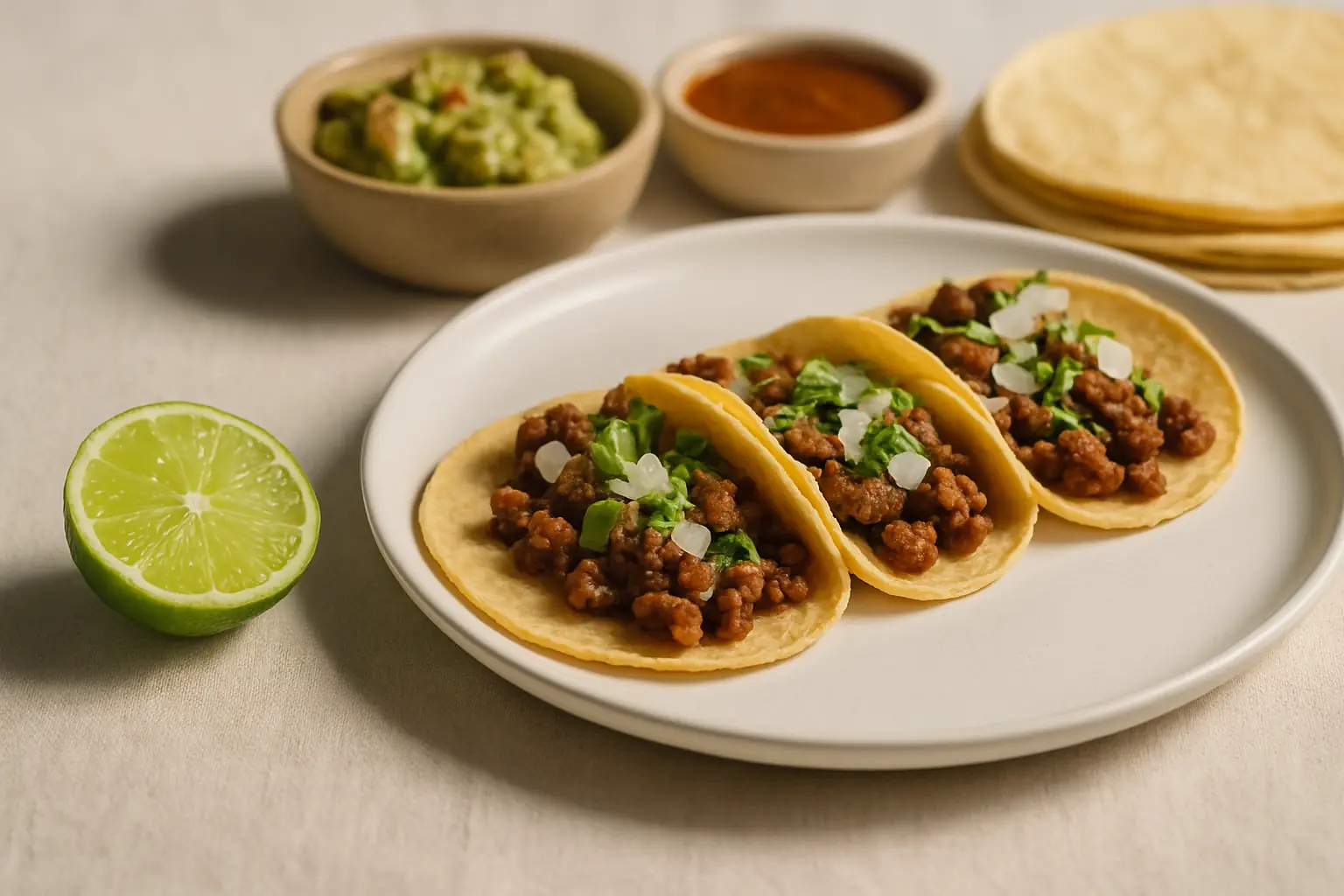
Latin plates are mixed by design. A photo sees the whole plate at once, which helps you log faster than listing every component by hand. Your job is to name the dominant foods and adjust portions when stews, oils, or fried sides dominate the frame. Build the habit before install day. CountMyCal is waitlist-only for now; join on the landing page for launch alerts. This guide is not medical advice and not a substitute for professional nutrition guidance. Photo estimates stay approximate.
Log a mixed Latin plate
- Identify the anchor protein Chicken, beef, pork, fish, or beans usually drive calories.
- Separate starches and fried sides Rice, tostones, and maduros add carbs and fat quickly.
- Check sauce and oil Sofrito, recaito, and pan oil are often under-counted.
- Save the plate type Reuse the same template when you cook that dish again.
Start from the protein and starch split
Arroz con habichuelas, pollo guisado, and similar plates look busy in one photo. Focus on what fills half the plate: white rice, beans, and the protein portion. Fried plantains and yuca are side calories that deserve their own mental line item even when they share the dish.
Restaurant servings often run larger than home portions. When you eat out, assume the rice mound is one and a half home servings until you adjust down with the slider. Consistency beats guessing exact grams on the first visit.
Mixed plates often hide beans under rice or meat under sauce. Spread components slightly before the photo when you control plating at home. At a buffet, photograph your own plate after serving instead of the communal tray. Plantains and yuca carry more calories per bite than plain rice; when half the plate is fried sides, expect fat macros to dominate even if protein looks generous in the photo. Name the dominant starch in your head before you save so slider edits target the right macro line.
Use macros as feedback, not judgment
Macro targets should come from a professional plan when you have one. Photo macros help you see whether a typical weekday lunch skews high carb or low protein so you can shift the next meal, not so you can punish one family dinner.
CountMyCal is not medical advice and not a substitute for professional nutrition guidance. Photo estimates are approximate, especially when sauces blend into rice. Pair app numbers with real-world portions you learn from a dietitian when precision matters.
Family recipes carry cultural weight beyond numbers. Photo macros help you notice if weekday lunches skew low protein so you can add eggs or yogurt at breakfast, not so you can skip gatherings. Pair app data with hunger and energy signals. If strict tracking increases anxiety around food, pause and talk to a qualified provider about a gentler plan. Numbers should inform choices you already made with professional guidance, not replace that guidance.
Questions
Can photo logging read mofongo or pasteles?
It can estimate visible portions, but dense fried foods vary by recipe. Adjust after the first few tries.
Should I log homemade sofrito oil?
If flavor tastes rich, assume some cooking fat landed in the dish even when you cannot see it.