Estimate calories from a food photo on iPhone
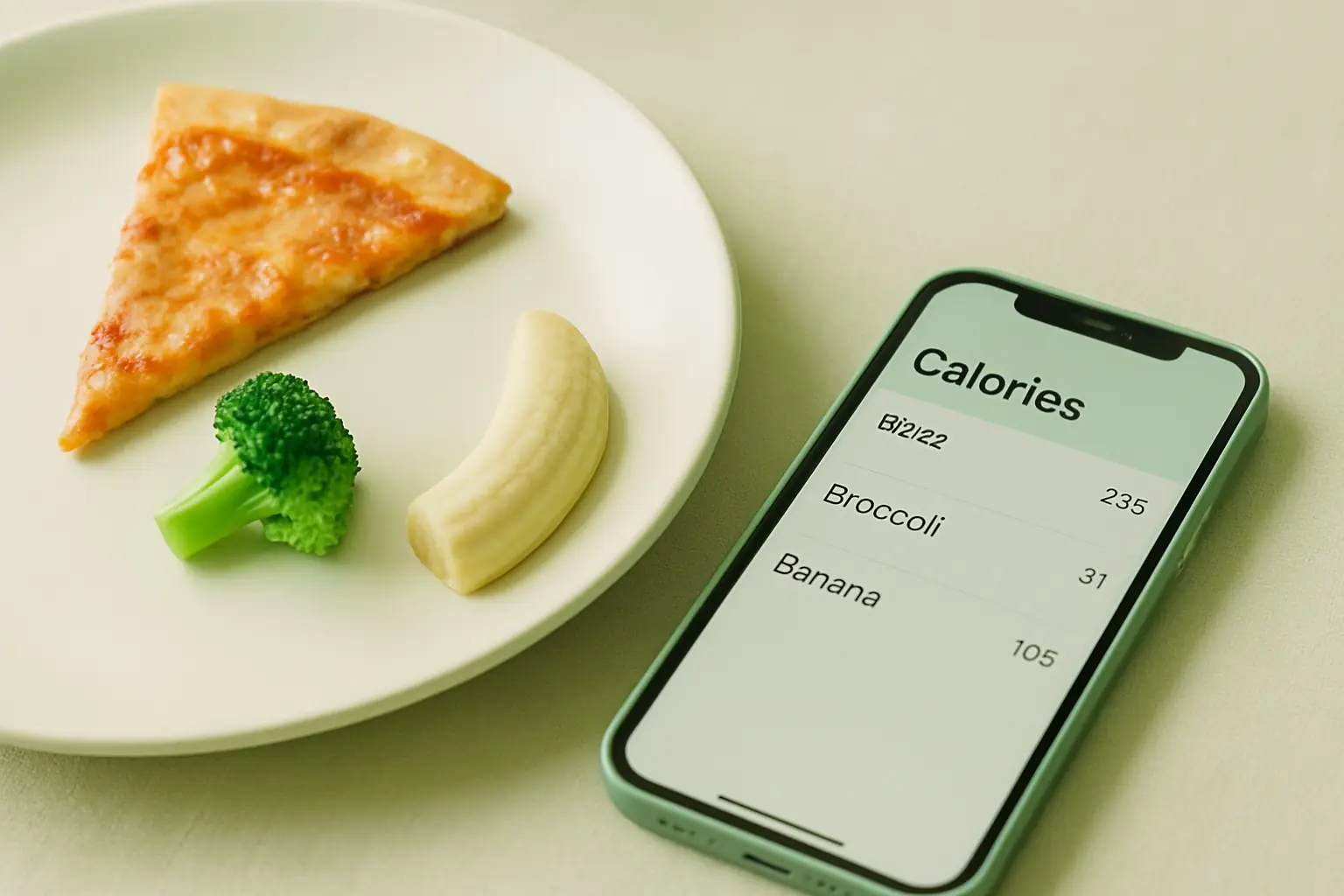
Photo logging works when the meal is visible and the lighting is honest. Shoot from above or a slight angle, keep sauces in frame, and log right after you plate. The goal is a repeatable estimate you can compare day to day, not a perfect lab measurement. Build the habit before install day. CountMyCal is waitlist-only for now; join on the landing page for launch alerts. This guide is not medical advice and not a substitute for professional nutrition guidance. Photo estimates stay approximate.
Log a meal from a photo
- Plate and pause Set the dish down before you eat so items stay visible.
- Shoot one clear frame Use daylight or bright kitchen light. Avoid heavy filters.
- Review the estimate Check calories and macros against what you actually ate.
- Adjust and save Nudge the portion slider if the plate looks larger or smaller than the guess.
Shoot photos that the model can read
Flat plates beat deep bowls when foods stack and hide each other. If you must use a bowl, pull the top layer aside for one shot, then eat normally. Shadows across half the plate often push estimates toward the wrong side.
Include reference cues when you can: a fork, a standard bowl size, or a single-serving package in frame. You do not need a scale in every photo, but scale-free guessing drifts over time.
Phone cameras exaggerate warm indoor light, which can make fried foods look smaller than they are. Step back one pace so the whole plate fits with a little margin. Cropped edges often confuse models about plate diameter. If you eat at a desk, clear clutter behind the bowl so the app focuses on food pixels, not keyboard keys or bright monitors reflecting on glossy sauces. Shoot before you start eating so bites and shared forks do not remove foods the model already counted.
Treat the first guess as a draft
The first pass is a starting point. Oils, dressings, and shared appetizers are the usual misses. Add a quick mental note for butter on vegetables or mayo on a sandwich even when those items are not obvious in the photo.
When you eat the same lunch weekly, save the adjusted entry as your template. Repeat meals are where photo logging saves the most time because the photo plus one slider move beats typing ingredients again.
Restaurant meals deserve an extra glance at invisible fats: butter on steak, oil on grilled vegetables, and dressing pooled under salad. If you only photograph the top layer, assume the kitchen added finishing oil unless the menu says steamed or dry. When you cook at home, a quick note about cooking spray or olive oil spooned after plating helps future you remember why the scan looked high or low. Sauces mixed into rice are a common undercount; nudge the portion slider up when the plate glistens.
Join the CountMyCal waitlist for photo loggingCompare days, not single meals
One wrong snack matters less than a week of direction. Look at breakfast, lunch, and dinner patterns before you chase a single high number. Photo logging helps most people who quit manual apps because typing every gram felt like a second job.
CountMyCal is not medical advice and not a substitute for professional nutrition guidance. Use photo totals to support habits you already agreed on with a clinician or coach, not to diagnose or treat conditions.
Weekly averages matter more for weight trends than any one lunch photo. If Tuesday scans run high because of client dinners, watch whether Thursday through Sunday balance the week instead of panic-editing old entries. Photo logging succeeds when it reduces quit days, not when it produces forensic accuracy on a single burger once a year. A month of good-enough logs beats a week of perfect logs followed by abandonment.
Questions
Do I need to photograph every bite?
Log full meals and shared snacks you care about. Bite-level photos rarely help and slow you down.
What if I ate half the plate?
Adjust the portion slider down before saving, or note leftovers in the entry comment if the app supports it.