Portion slider accuracy after food photos
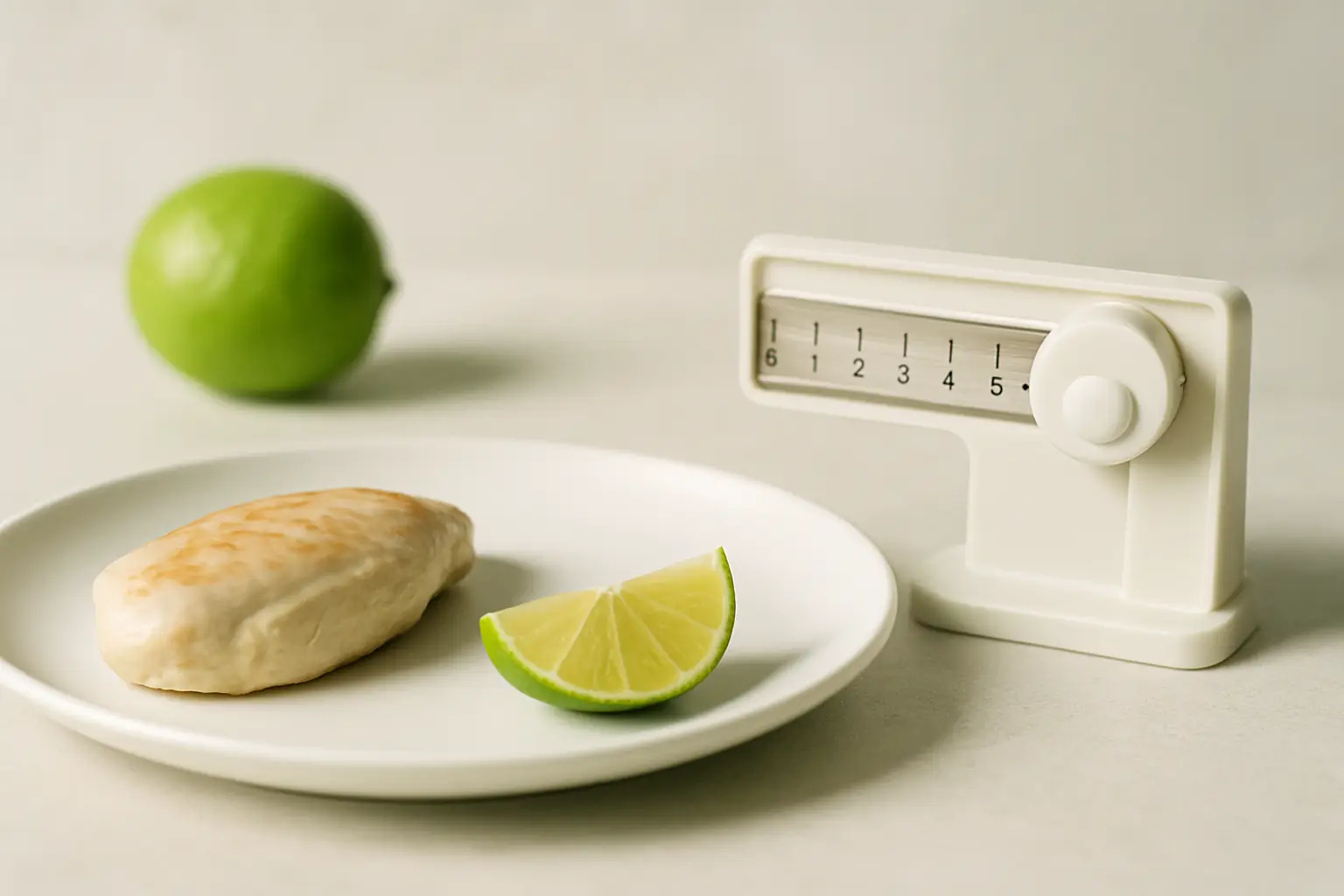
Photo models guess volume from pixels. Your eyes know whether today's serving was generous. The portion slider closes that gap without reopening a long ingredient form. Small edits after each meal train the habit of honest logging. Build the habit before install day. CountMyCal is waitlist-only for now; join on the landing page for launch alerts. This guide is not medical advice and not a substitute for professional nutrition guidance. Photo estimates stay approximate.
Adjust a photo estimate
- Scan the plate Take the photo you would log anyway.
- Compare to your usual serving Large, medium, or small relative to your normal bowl or plate.
- Move the slider Increase when the pile looks taller than average. Decrease when you ate half.
- Save and move on Ten seconds of adjustment beats skipping the meal entirely.
When the slider matters most
Dense foods break visual models first: peanut butter, cheese, nuts, and pasta portions. A flat photo of spaghetti often looks smaller than the forkfuls you actually ate. Slider up when the portion felt heavy, down when you left food on the plate.
Shared dishes need a personal adjustment every time. You ate one slice of pizza, not the whole pie. Log from your slice photo or scale the estimate down to match your share.
Liquid calories rarely photograph well: smoothies, soups, and coffee drinks need slider edits because depth in a cup is hard to judge from one angle. If you drank half a smoothie, log the full cup photo then slide down to half. Alcohol mixed drinks are another slider case because glass shape hides volume. Tall glasses look half full while still holding many ounces.
When CountMyCal leaves waitlist, map these steps to in-app photo scans and portion sliders from the landing page download. Until launch, practice the same plate photos with any camera and note slider-style adjustments mentally. Weekly trends beat single-meal perfection. CountMyCal is not medical advice and not a substitute for professional nutrition guidance. Photo calorie and macro estimates stay approximate; use them for habit feedback alongside professional plans when you have one.
Build a personal portion library
After three or four adjustments on the same meal, you learn your default offset. Note that pattern mentally: weekday lunch salad always runs twenty percent larger at the office cafeteria. Apply the same nudge next time before you fine-tune.
Repeat meals are the best use of sliders. Breakfast smoothies, standard work lunches, and post-gym shakes should take seconds because the photo plus your usual offset is already calibrated.
Office cafeterias often use the same scoop sizes even when menus rotate. After a few scans you learn that the standard grain scoop is always generous. Save that mental offset. Meal prep containers with known volumes make sliders almost unnecessary because the photo matches the same box every Tuesday. Label containers in photos with sticky notes only if you delete the note before sharing.
Photograph meals before the first bite when you can. Mid-meal photos hide oils and sauces already eaten.
Try portion controls on the CountMyCal waitlistAccuracy is consistency over perfection
Missing one adjustment teaches you less than logging daily with small errors that point the same direction. Trends over two weeks matter more than one perfect bowl photo.
CountMyCal is not medical advice and not a substitute for professional nutrition guidance. Sliders improve approximate photo totals; they do not replace weighed food when your plan requires scales.
Weighing food once a month calibrates your eye. Pick one repeat meal, weigh it, photo it, and note the gap between scale truth and scan guess. That single exercise improves slider use across unrelated meals because you learn how far off the model tends to be for your plates. Teach the slider habit to roommates on shared meals so everyone logs their own portion, not the whole pot.
For mixed plates, capture the whole dish then note the dominant items. Ambiguous stews need a short text add-on.
Questions
Should I slider-adjust every meal?
Adjust when the guess looks off or when you ate a non-standard portion. Routine repeats may need no change.
Can I combine slider edits with manual items?
Yes when your workflow allows add-ons. Log the photo base, then add a missed sauce or drink separately if needed.