Photo logging vs manual calorie entry
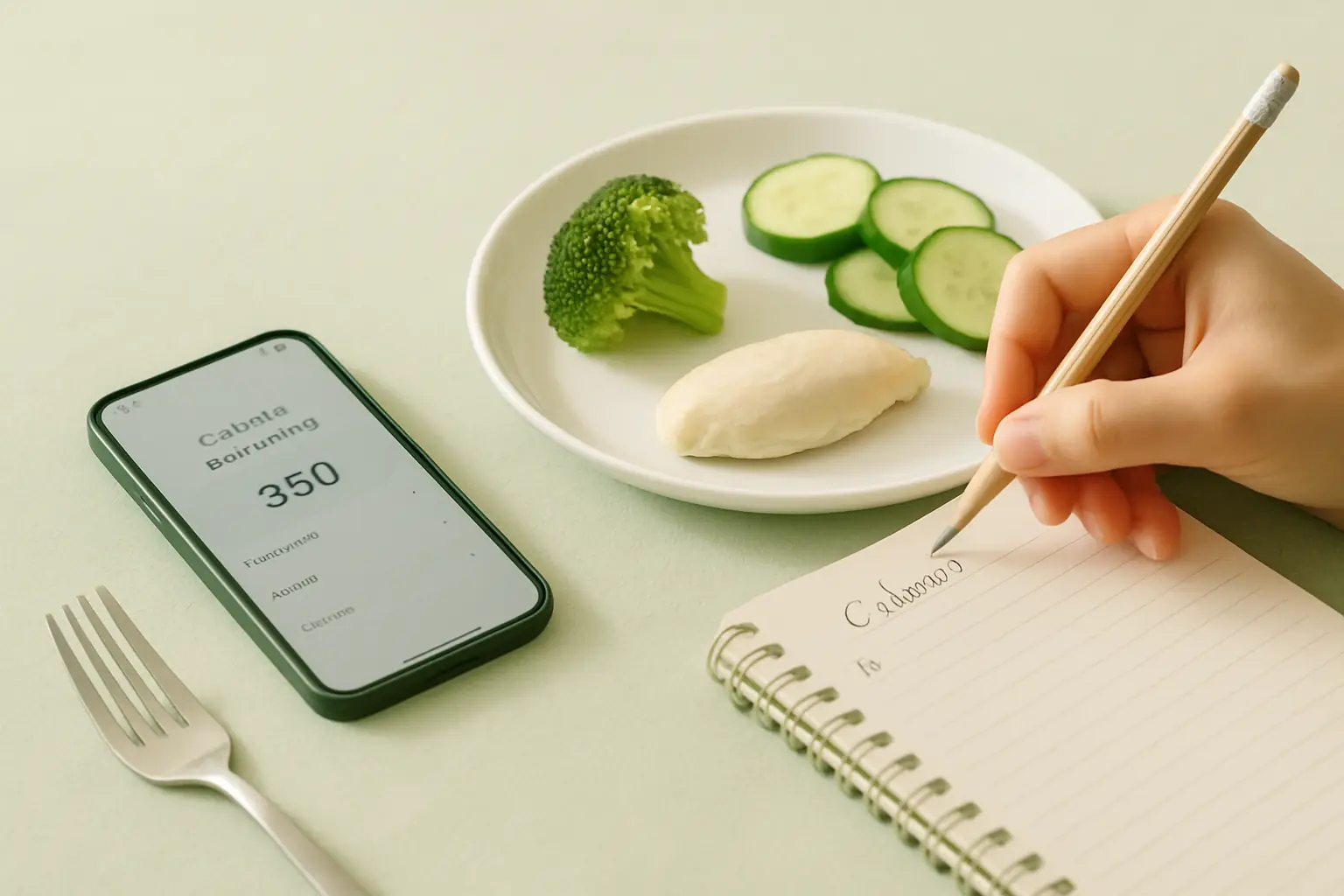
Manual logging is precise when you weigh food and know brands. Photo logging is fast when plates are mixed and time is short. Most people need both: photos on weekdays, manual checks on repeat meals or when a clinician asks for tighter data. Build the habit before install day. CountMyCal is waitlist-only for now; join on the landing page for launch alerts. This guide is not medical advice and not a substitute for professional nutrition guidance. Photo estimates stay approximate.
Choose photo or manual for a meal
- Ask how much time you have Under two minutes favors a photo.
- Ask how mixed the meal is Many components favor a photo first pass.
- Ask how often you repeat it Repeat meals deserve manual templates or saved edits.
- Reconcile weekly Spot-check one meal with weights if trends look off.
Where photo logging wins
Restaurant plates, family dinners, and lunch bowls with six toppings are tedious to type. One photo plus a slider adjustment gets you close enough to compare days. Photo logging also lowers the quit rate because friction drops.
Travel and social eating are the classic photo cases. You will not weigh airport food. You still want a logged anchor so the week is not a blank.
Social events are the classic manual logging failure point. You will not weigh aunt's potato salad at a cookout. A photo plus honest slider adjustment preserves the memory of the day without pretending precision you did not have. Over time those event photos teach you typical portions for foods you eat seasonally. Holiday photos become reference entries you reuse next year.
Compare photo estimates to a weighed meal once a week for calibration. That check keeps drift from compounding.
Where manual logging still leads
Packaged foods with barcodes, meal prep weighed in grams, and medical plans that require exact macros still need manual or scale-based entry. Photos miss hidden oil and brand-specific serving sizes.
Use manual entry to calibrate photo habits. Weigh lunch twice, compare to photo estimates, then note your usual offset for that container size.
Recipe developers and competitive athletes often need gram weights for reproducibility. Manual entry with a scale remains king for baking and prep where small errors change outcomes. Use manual mode for the twenty percent of meals that matter most, photo mode for the eighty percent that keeps you logging. Barcode scanning still wins for packaged goods with stable labels.
Streaks should allow a quick entry for coffee or snacks. Missing small items is how deficits look fake.
Compare methods on the CountMyCal waitlistHybrid logging is the realistic default
Photo-first with manual fixes on repeat meals beats pure manual for most busy people. The goal is a diary you actually maintain through months, not a perfect spreadsheet for ten days.
CountMyCal is not medical advice and not a substitute for professional nutrition guidance. Photo estimates are approximate. Follow professional guidance when your plan requires weighed intake.
Switch methods within the same day without guilt. Photo lunch at work and manual protein shake at home is normal. The diary wins when total coverage stays high across months. Compare quarterly trends, not daily method purity. Your future self cares that July was logged, not that every July lunch used the same technique.
Restaurant lighting lies. If the photo is dark, add a plain text label for the dish so later review still makes sense.
Questions
Will photo logging replace my food scale?
Not for precision phases. It can reduce how often you need the scale day to day.
Can I switch methods mid-day?
Yes. Photo lunch and manual snack is normal.